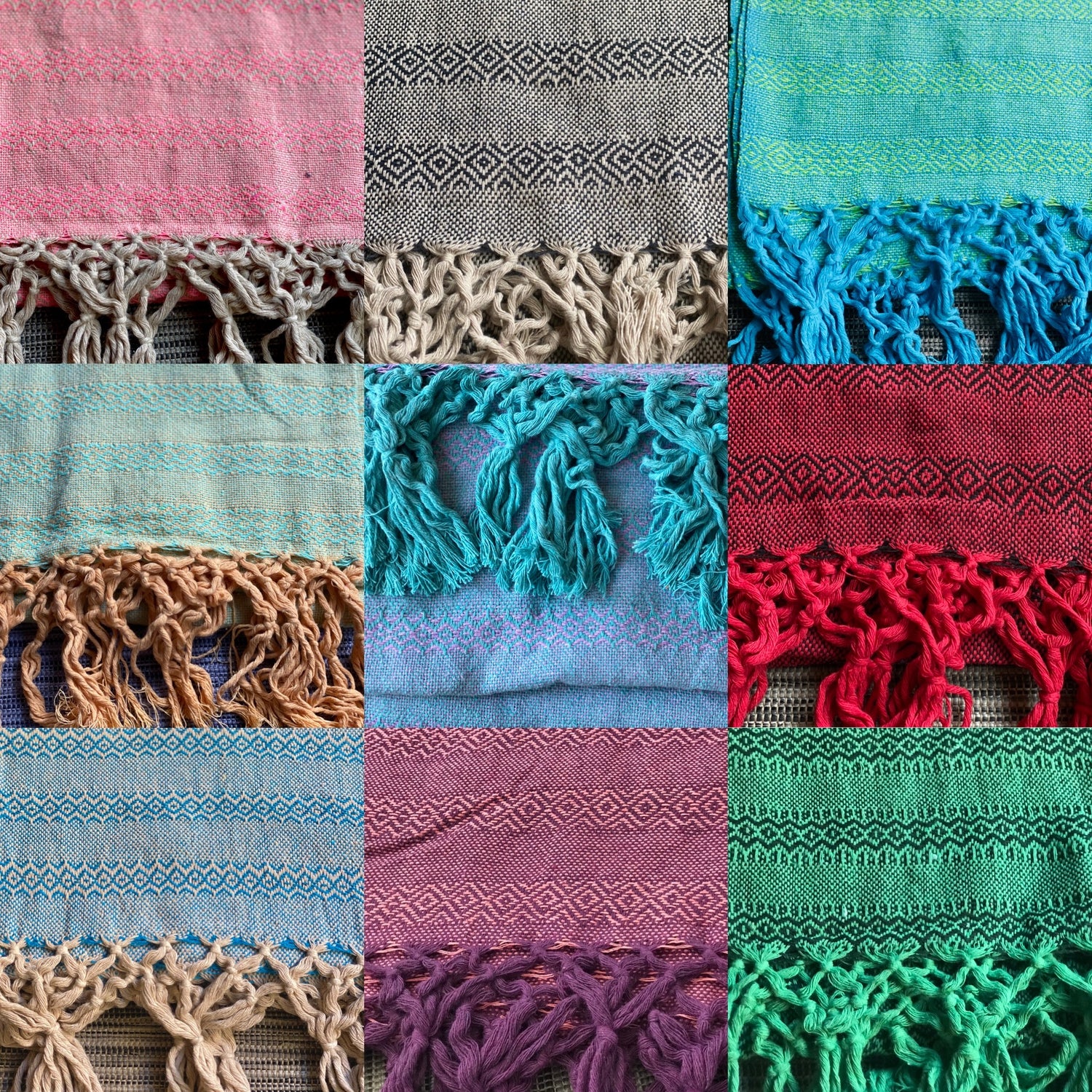
The rebozo is more than just a traditional Mexican shawl; it is a beautifully handwoven piece of art that carries cultural significance.
You will discover how this versatile wrap has been crafted over generations by skilled artisans.
Understanding the intricate process of making a rebozo reveals the skill and care that artisans put into each piece.
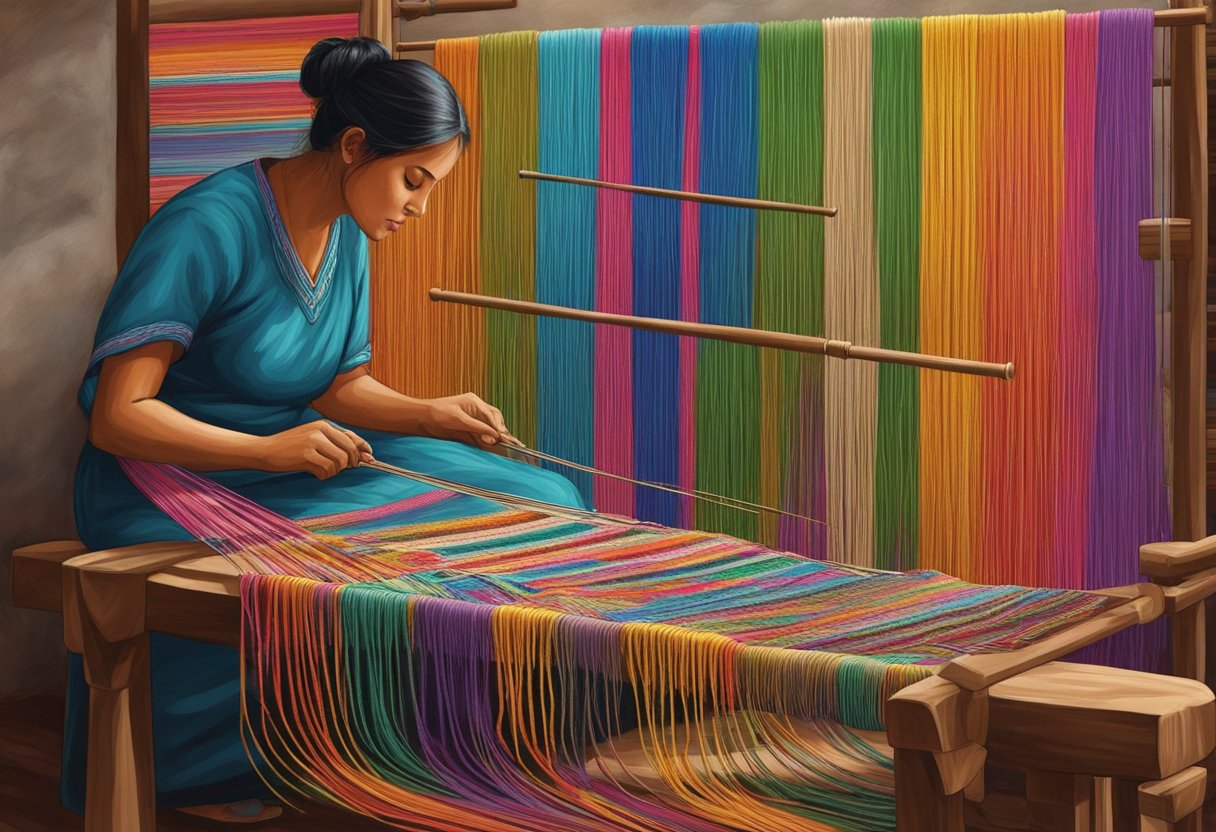
As you explore the step-by-step journey of rebozo weaving, you'll learn about the various techniques involved and the materials used.
Each rebozo tells a story, reflecting the heritage of Mexico and Latin America. You will appreciate the craftsmanship and the connection it provides to both the past and present in the community.
Embarking on this exploration will deepen your appreciation for the rebozo and its role in supporting women through significant life events.
Key Takeaways
- The rebozo is a traditional Mexican shawl crafted with care and skill.
- Understanding its creation connects you to generations of artisans and their heritage.
The Art of Crafting a Rebozo
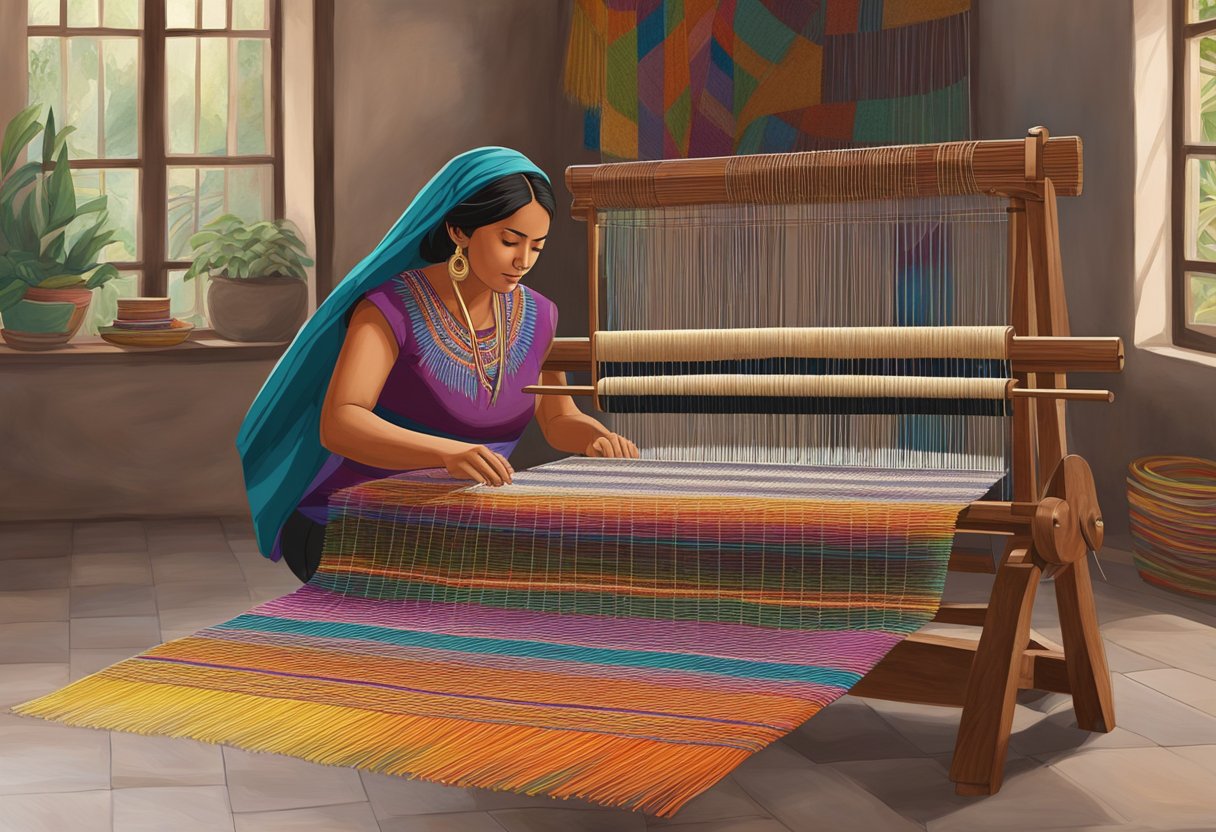
Crafting a rebozo involves careful selection of materials and mastering weaving techniques. This traditional Mexican shawl not only serves a purpose but also tells a story through its colors and patterns. Here’s a closer look at each important step.
Selecting Quality Materials
When crafting a rebozo, the choice of materials is crucial.
You typically use cotton or agave fibers for their durability and comfort.
- Cotton is preferred for its softness and lightweight feel.
- Agave fibers provide a unique texture and are historically significant.
You should source materials from reliable suppliers, often from regions known for their weaving traditions. This ensures that the fabric you use will age beautifully and withstand daily wear.
Quality materials contribute not only to the visual appeal but also to the cultural significance of the rebozo.
Weaving Techniques and Patterns
Weaving a rebozo employs various techniques that are passed down through generations.
You can use a backstrap loom for a traditional approach, allowing for greater control over the weaving process.
- Pattern types include jaspe, a technique that creates intricate designs using resist-dyeing.
- Common motifs often represent cultural stories or local traditions.
This method requires patience and skill. Each weaver may have a unique style, but the shared techniques highlight the community's craftsmanship.
Your choice in patterns and methods can reflect both personal expression and cultural heritage.
Dyeing: Adding Colors and Meaning
Dyeing is an essential part of creating a vibrant rebozo.
You typically use natural dyes from plants, ensuring the colors remain rich and meaningful.
- Popular colors and their meanings include:
- Red for passion and strength
- Blue for tranquility and peace
- Yellow for joy and optimism
Selecting colors thoughtfully can enhance the emotional impact of the shawl. The dyeing process not only beautifies the fabric but also adds layers of significance that connect the wearer to their culture.
Each hue brings its own story, making the rebozo a true work of art.
Frequently Asked Questions
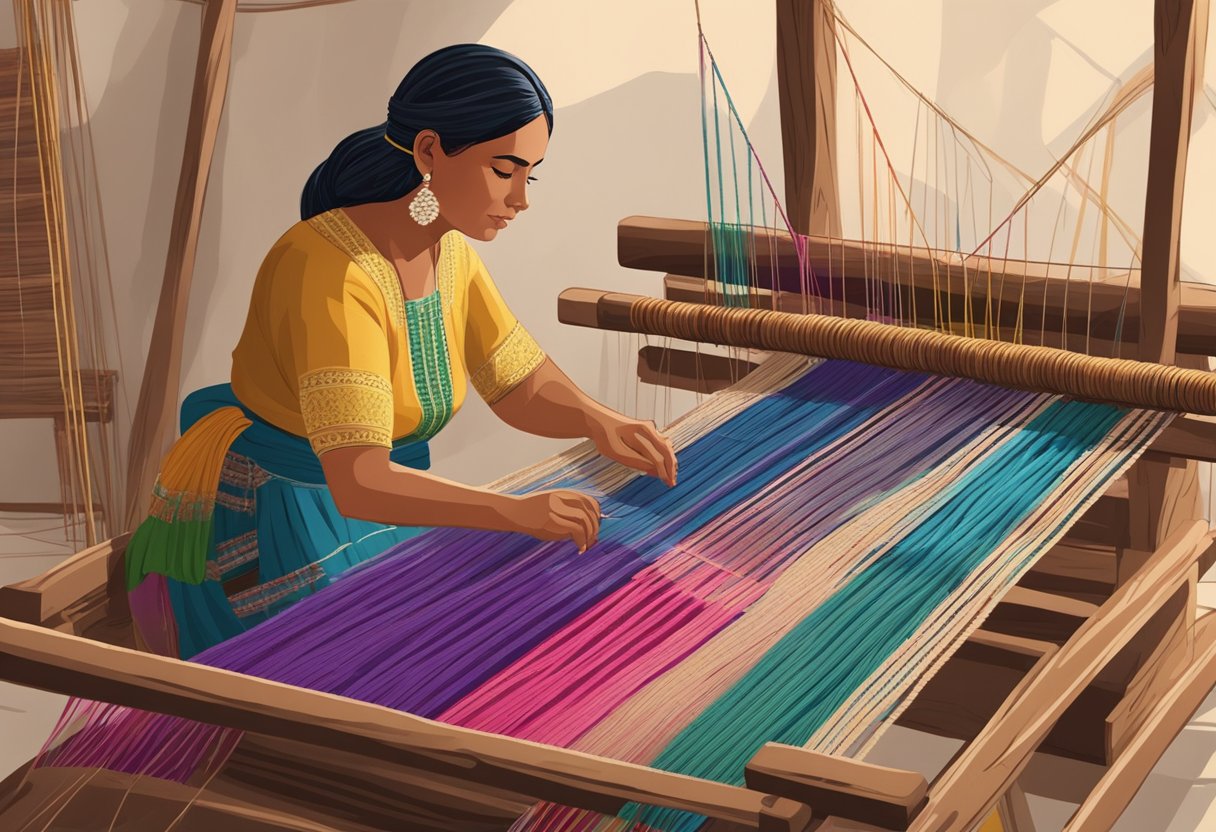
This section addresses common questions about the rebozo, focusing on its materials, weaving techniques, cultural importance, and how to assess handwoven quality.
What materials are needed to handweave a traditional rebozo?
To handweave a traditional rebozo, you need cotton or wool yarn, a loom, and shuttle sticks. The yarn should be strong and durable to ensure the rebozo can support weight. Some artisans may also use dye for coloring, which can be natural or synthetic.
Can you explain the different techniques involved in weaving a rebozo?
Weaving a rebozo involves several techniques, including plain weave, twill, and lace patterns. Each technique adds different textures and strengths to the fabric. Artisans may vary their methods based on the desired final look and functionality of the rebozo.
What is the historical significance of the rebozo in Mexican culture?
The rebozo has historical roots in Mexican culture, serving as a garment and tool for women. Traditionally, it symbolizes femininity, motherhood, and social status. Throughout history, it has been used in various ceremonies and remains a cherished item in many Mexican households.
How does handweaving affect the strength and drape of a rebozo?
Even tension on a backstrap loom and quality yarn produce a cloth that is soft yet sturdy, with a drape that holds shape without feeling stiff.
What should you look for when assessing weave quality?
Check for even rows, secure selvedges, consistent motifs, and fringe (rapacejos) that is finished rather than loosely cut.
How can the quality of a handwoven rebozo be assessed?
To assess the quality of a handwoven rebozo, examine the evenness of the weave and the strength of the yarn.
Check for any loose threads or inconsistencies in the patterns.
Consider the feel of the fabric; a high-quality rebozo should be soft yet sturdy.
Shop craft: Browse handwoven pieces in our Mexican rebozo collection. For meaning and history, see What Is a Rebozo? and cultural significance.